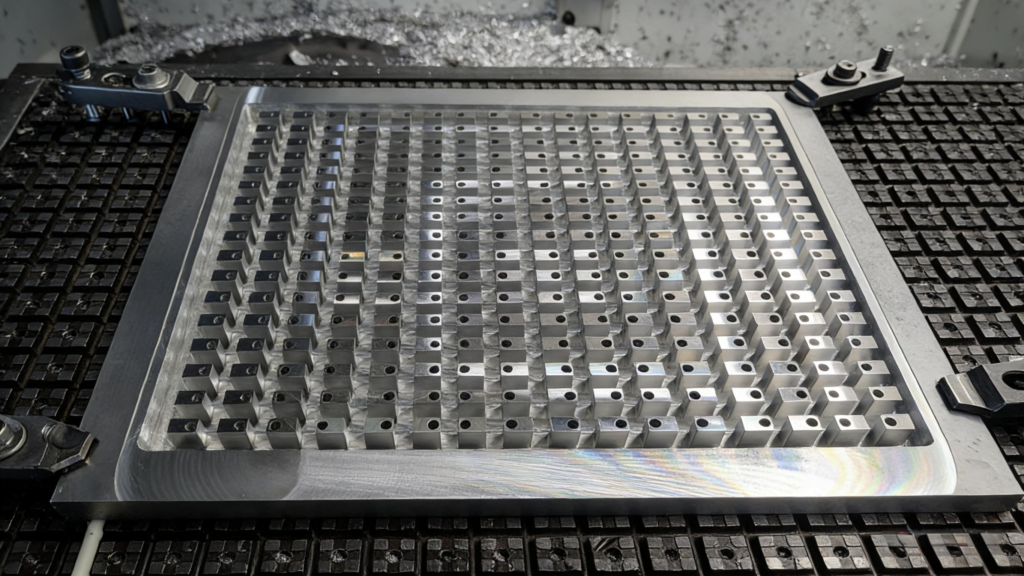
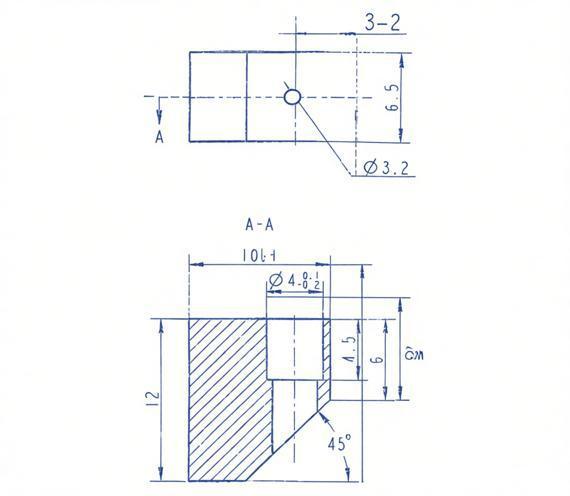
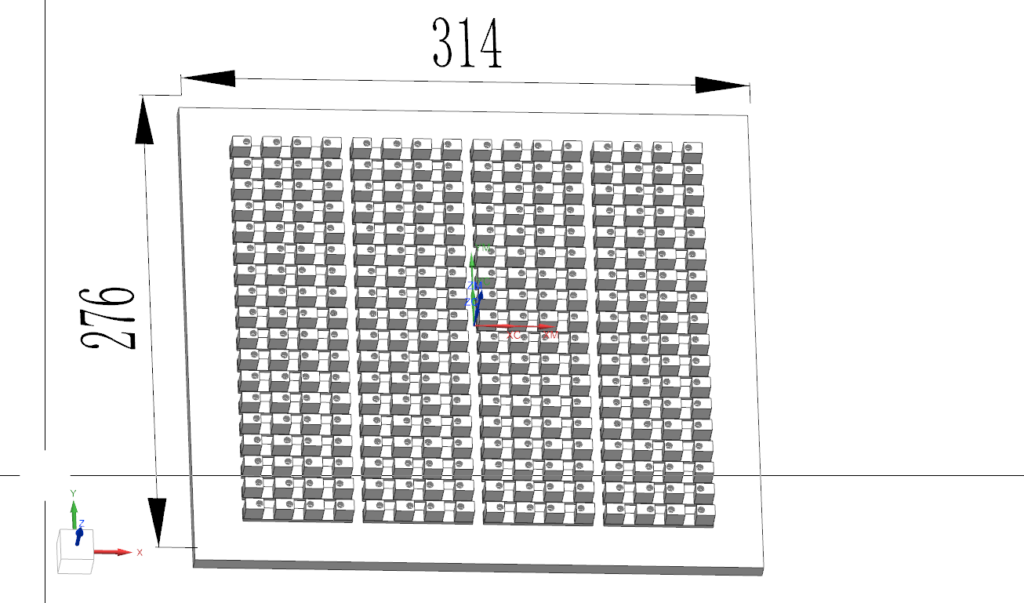
The customer required thin precision components for a simulated test fixture, used to validate suction performance during the testing stage.
Although initial drawings specified tight tolerances and stainless steel material, the parts were not intended for final production, making cost efficiency a key consideration.
Our engineering team worked closely with the customer to redefine the true functional requirements and deliver a precision-focused, cost-optimized solution.
Key Requirements
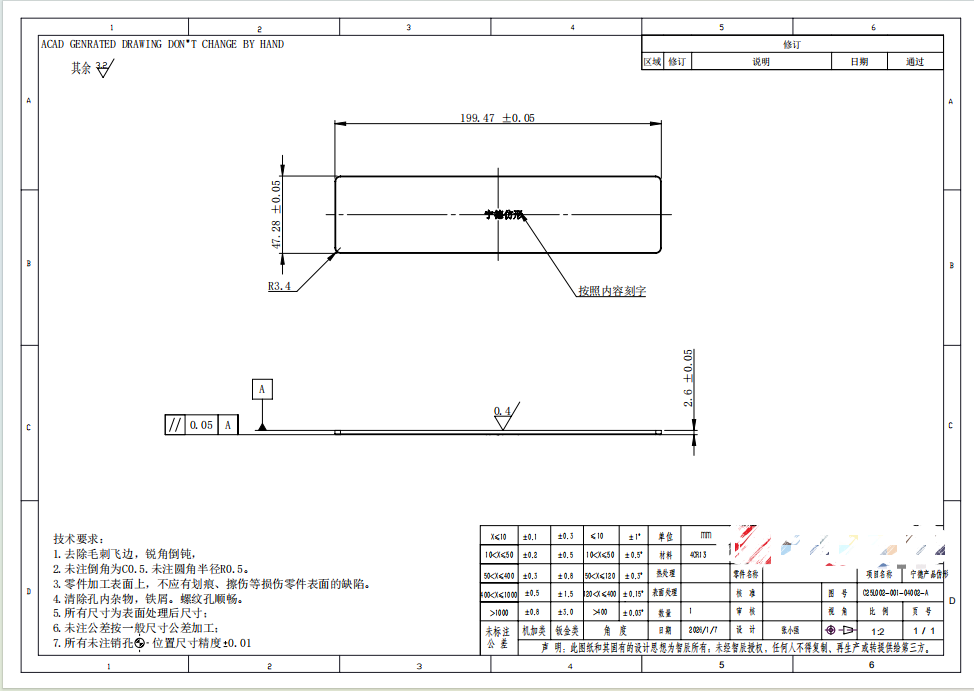
Thickness: 2.6 ± 0.05 mm
Parallelism: ≤ 0.05 mm
Flatness: ≤ 0.05 mm
Surface Roughness: Ra 0.4 μm
• Stable performance for testing and validation
Engineering Challenges
Original material (4Cr13 stainless steel) only available from 6 mm thickness
High material waste and machining cost for thin components
Simultaneous control of thickness, flatness, parallelism, and surface finish
Strict precision needed only on functional surfaces, not full geometry
Our Solution
Material Optimization
We recommended Q235B carbon steel as an engineering-approved alternative, offering excellent machinability and significantly lower material cost while fully meeting test-stage requirements.
Process Strategy
Laser cutting for external profiles to reduce machining cost
Precision surface grinding to control thickness, flatness, and parallelism
Nickel plating for corrosion protection
Post-plating calibration to ensure final flatness accuracy
Results
Thickness: 2.6 ± 0.05 mm
Parallelism: 0.03 mm
Flatness: 0.04 mm
Surface Roughness: Ra 0.35 μm
50% total cost reduction
30% shorter lead time
Delivered ahead of schedule with stable test performance
Value Delivered
Engineering-driven cost optimization
Precision applied only where functionally required
Faster delivery for test and validation projects
Reliable support for non-standard and prototype components
Get In Touch With Us
Looking for low cost CNC machining parts with unparalleled quality? Send your inquiry or drawing fast to get an online CNC quote.