Introduction
Precision piston rods are critical components in hydraulic systems, especially in applications requiring high stability and smooth motion. Their performance depends heavily on surface quality, material properties, and machining precision.
In this article, we’ll explain the working principle of precision piston rods and analyze why unexpected auto-extension can occur during operation.
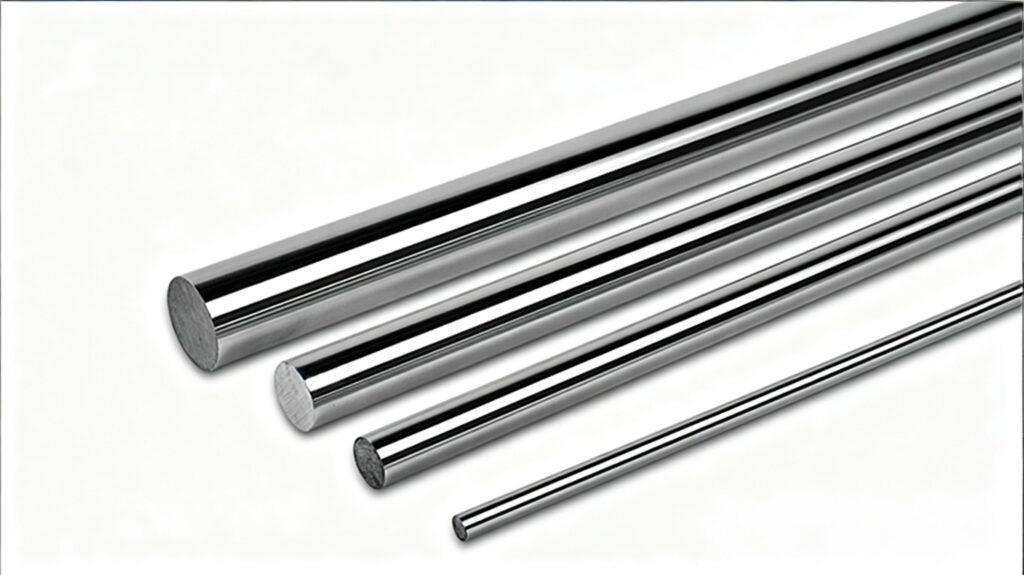
Working Principle of Precision Piston Rods
Precision piston rods are designed with specialized surface materials that offer a balance of elasticity and plastic deformation. This ensures stable contact performance and smooth operation in hydraulic systems.
Key factors include:
- Surface finish: Fine grinding reduces surface roughness and friction
- Material properties: Wear-resistant materials improve durability
- Fit accuracy: Ensures stable movement and system efficiency
Because of these characteristics, precision piston rods are widely used in industrial equipment to enhance motion stability and reduce energy consumption.
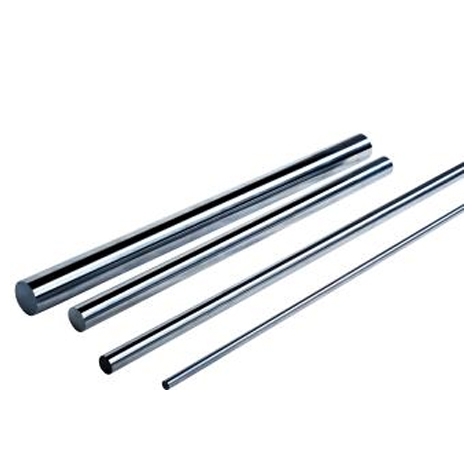
Importance of Surface Treatment and Machining
The surface quality of a piston rod directly affects its performance. A well-machined and polished surface can:
- Reduce friction and wear
- Improve sealing performance
- Extend service life
Advanced processes such as grinding and polishing help achieve low roughness, which minimizes energy loss during operation.
Why Does a Precision Piston Rod Extend Automatically?
Unexpected auto-extension of a piston rod is usually related to hydraulic system issues rather than the rod itself.
Common causes include:
1. Internal Seal Damage
Severely worn or damaged seals inside the cylinder can cause internal leakage, leading to uncontrolled movement.
2. Valve Core Sticking
If the valve spool becomes stuck, it may allow unintended oil flow, resulting in piston rod movement.
3. Relief Valve Failure
A damaged relief valve may prevent proper pressure buildup, causing instability in the hydraulic circuit.
How to Diagnose the Problem
A common diagnostic method is an internal leakage test:
- Extend the cylinder to its end position
- Disconnect the oil pipe from the rod chamber
- Operate the system and observe oil flow
If a significant amount of hydraulic oil flows out, it indicates serious internal seal failure.
Additionally, metal debris in the hydraulic tank may suggest internal wear or damage to the cylinder.
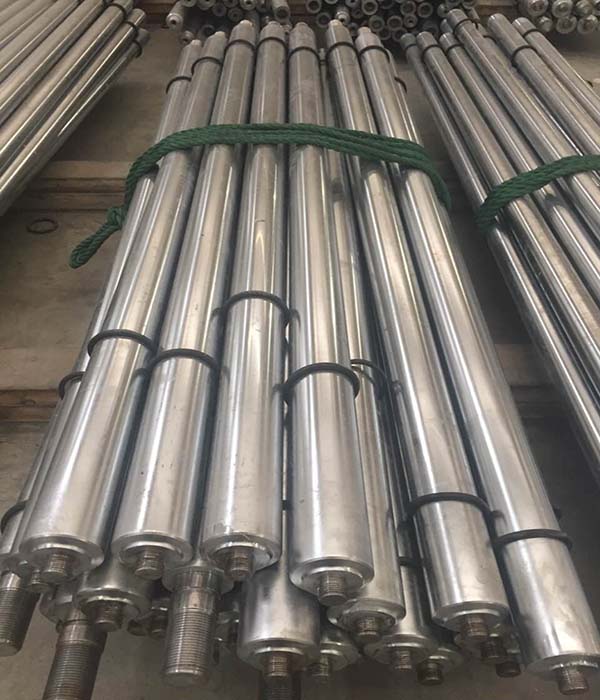
How to Improve Performance and Reliability
To ensure optimal performance of precision piston rods:
- Choose high-quality materials with strong wear resistance
- Ensure proper machining precision and surface finish
- Regularly inspect hydraulic components and seals
- Optimize design based on actual working conditions
Our Precision Shaft & Piston Rod Machining Capability
As a professional CNC turning manufacturer, we specialize in precision shaft and piston rod machining, offering:
- Tight tolerance control
- Excellent surface finish (Ra ≤ 0.8 μm or better)
- Long shaft machining capability
- Stable concentricity and straightness
- Fast lead time and global delivery
Conclusion
Understanding the working principle of precision piston rods and the causes of auto-extension issues can help improve system reliability and reduce downtime.
Choosing a reliable machining partner is equally important to ensure long-term performance.